
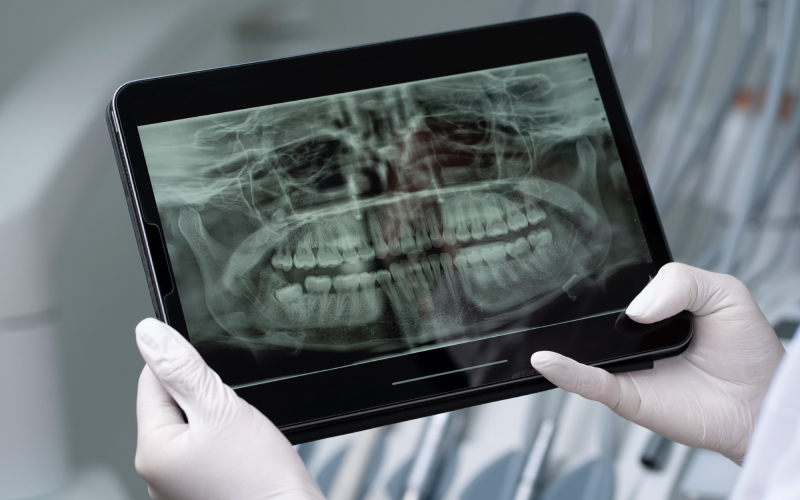
Why Dental X-Rays Are Essential for Your Oral Health
Dental X-rays play a crucial role in diagnosing and preventing oral health issues that may not be visible during a routine dental exam. While brushing, flossing, and regular checkups help maintain a healthy smile, X-rays allow dentists to detect hidden problems such as cavities, gum disease, impacted teeth, and bone loss.
At Smiley Dental of Fairhaven, we emphasize the importance of routine dental X-rays as part of a comprehensive oral care plan. Understanding how these images work and why they are necessary can help you make informed decisions about your dental health.
How Dental X-Rays Help Detect Hidden Oral Issues
Some dental problems develop beneath the surface of the teeth and gums, making them difficult to detect with a visual examination alone. X-rays provide a detailed view of the teeth, roots, and jawbone, helping dentists identify potential issues before they become serious.
1. Detecting Cavities in Hard-to-Reach Areas
Cavities can form between teeth or underneath fillings, making them difficult to spot without X-rays. By capturing images of the inner structures of the teeth, dentists can diagnose decay early and recommend appropriate treatment before the problem worsens.
2. Identifying Gum Disease and Bone Loss
Gum disease is a progressive condition that can lead to tooth loss if not treated early. X-rays help assess the severity of gum disease by revealing bone loss around the teeth. This allows dentists to create a personalized treatment plan to prevent further damage.
3. Evaluating Impacted Teeth
Wisdom teeth and other teeth that do not fully emerge from the gums can cause pain, infection, and misalignment of surrounding teeth. X-rays help determine whether an impacted tooth needs to be removed to avoid future complications.
4. Detecting Infections and Abscesses
Dental infections and abscesses can form deep within the roots of the teeth, often causing pain and swelling. X-rays allow dentists to detect these infections early and recommend root canal therapy or other treatments to save the affected tooth.
5. Assessing Jawbone and Sinus Health
X-rays can reveal abnormalities in the jawbone, detect cysts or tumors, and help evaluate the relationship between dental structures and the sinuses. This is particularly important for patients experiencing chronic jaw pain or sinus issues related to oral health.
The Different Types of Dental X-Rays and Their Uses
There are several types of dental X-rays, each serving a specific purpose in diagnosing and treating oral health conditions.
1. Bitewing X-Rays
Bitewing X-rays capture images of the upper and lower teeth in a single view. They are commonly used to:
- Detect cavities between teeth
- Assess bone loss due to gum disease
- Monitor existing fillings or restorations
2. Periapical X-Rays
Periapical X-rays provide a detailed view of the entire tooth, from the crown to the root. These X-rays help identify:
- Abscesses or infections at the root
- Bone loss around the tooth
- Structural abnormalities in individual teeth
3. Panoramic X-Rays
Panoramic X-rays capture a full view of the upper and lower jaw in a single image. They are useful for:
- Evaluating wisdom teeth development
- Detecting jawbone abnormalities
- Planning orthodontic treatments
4. Cephalometric X-Rays
These X-rays are primarily used in orthodontics to evaluate the alignment of the teeth and jaw. They help dentists and orthodontists create treatment plans for braces and other corrective procedures.
5. Cone Beam CT Scans
Cone beam computed tomography (CBCT) provides 3D images of the teeth, jaw, and surrounding structures. It is often used for:
- Planning dental implant placement
- Evaluating complex tooth or jaw conditions
- Assessing trauma or fractures
Are Dental X-Rays Safe? What You Need to Know
Many patients are concerned about radiation exposure from dental X-rays, but advancements in digital imaging technology have made X-rays safer than ever. The amount of radiation in a dental X-ray is minimal, especially compared to other types of medical imaging.
1. Low Radiation Exposure
Modern digital X-rays use up to 90% less radiation than traditional film X-rays. The radiation exposure from a single dental X-ray is equivalent to the amount of radiation you receive from natural sources in a single day.
2. Protective Measures
Dentists take precautions to minimize exposure, such as using lead aprons and thyroid collars to protect sensitive areas of the body. Pregnant patients are advised to postpone non-emergency X-rays until after delivery, though dental X-rays are generally considered safe during pregnancy with proper shielding.
3. Frequency of X-Rays
The frequency of dental X-rays depends on an individual’s oral health needs. Patients with a history of cavities, gum disease, or other dental issues may need X-rays more frequently than those with good oral health. The American Dental Association recommends the following guidelines:
- Children and teenagers: X-rays every 6 to 12 months to monitor tooth development and detect early cavities
- Adults with good oral health: X-rays every 12 to 24 months for routine monitoring
- Patients with a history of dental problems: X-rays as needed to assess ongoing conditions
How to Reduce the Need for Frequent X-Rays
While dental X-rays are safe, maintaining good oral hygiene can help reduce the need for frequent imaging. Here are some tips to keep your teeth and gums healthy:
- Brush twice a day with fluoride toothpaste to prevent cavities
- Floss daily to remove plaque and bacteria between teeth
- Eat a balanced diet rich in calcium and vitamin D to strengthen teeth and bones
- Avoid excessive sugar and acidic foods that contribute to decay
- Visit your dentist regularly for professional cleanings and exams
How Smiley Dental of Fairhaven Can Help
At Smiley Dental of Fairhaven, we use advanced digital X-ray technology to ensure accurate diagnoses while minimizing radiation exposure. Our experienced dental team provides comprehensive exams and personalized treatment plans to keep your smile healthy.
Our Services Include:
- Routine X-rays to detect cavities and gum disease early
- Full-mouth panoramic X-rays for orthodontic and surgical planning
- Cone beam CT scans for precise dental implant placement
- Emergency X-rays for sudden dental pain or trauma
- Preventive care and education on maintaining oral health
If you haven’t had dental X-rays in a while, now is the perfect time to schedule an appointment. Early detection of dental issues can prevent costly and invasive treatments in the future.
Call (508) 967-1000 to book your next dental visit at Smiley Dental of Fairhaven.
Final Thoughts
Regular dental X-rays are essential for maintaining long-term oral health. They allow dentists to detect hidden problems, assess bone and gum health, and create effective treatment plans. While some patients may worry about radiation exposure, modern digital X-rays are safe and highly effective in diagnosing and preventing dental issues.
At Smiley Dental of Fairhaven, we are committed to providing high-quality, patient-focused care using the latest technology. If you need a dental exam or have concerns about your oral health, call (508) 967-1000 today to schedule an appointment. Early prevention and regular checkups will keep your smile healthy for years to come.