
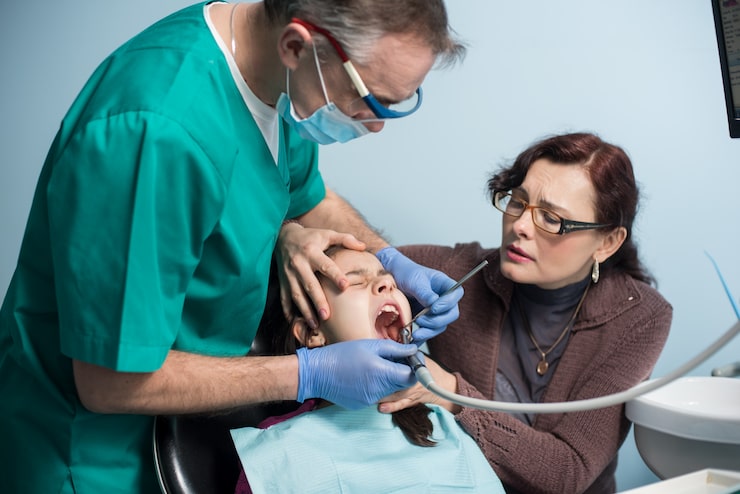
 Same-day emergency dental care means being assessed quickly when a dental problem should not wait. The dentist works out what is causing your symptoms, relieves pain where possible, and decides whether treatment can happen that day or whether you need a referral or a follow-up visit.
Smiley Dental Fairhaven offers same-day emergency appointments when availability allows. Call ahead and describe your symptoms, because that lets the team judge how urgent your situation is and tell you plainly whether they can see you today.
| Go to the emergency room or call 911 now if: ● You have difficulty breathing or swallowing ● Facial or neck swelling is spreading quickly ● Bleeding will not stop with firm pressure ● You have serious facial or jaw trauma, or a suspected fracture ● You feel seriously unwell, confused, or feverish alongside dental symptoms |
Quick Answer
Same-day emergency dental care in Fairhaven, MA covers urgent problems such as severe toothache, broken or knocked-out teeth, swelling, and suspected infection. Expect a discussion of your symptoms, an examination, X-rays where needed, and an explanation of your options. Call ahead so the team can assess urgency and availability. Difficulty breathing or swallowing with facial swelling needs emergency medical care, not a dental appointment.
What Is Same-Day Emergency Dental Care?
It is an appointment arranged quickly to assess and, where possible, treat a dental problem that should not wait for a routine booking. Common reasons people seek it:
- Severe or persistent toothache
- A broken, cracked, or knocked-out tooth
- A lost filling or crown that is causing pain
- Swelling around the gums, jaw, or face
- A suspected dental abscess
- Dental injury after an accident or fall
- Bleeding that continues after a dental procedure
One caveat: same-day care does not always mean every procedure finishes that day. Sometimes the right outcome is diagnosing the problem, controlling pain and infection, and scheduling definitive treatment properly rather than rushing it. Our page on same-day emergency dental care in Fairhaven covers the service.
What Dental Problems Need Emergency Attention?
Contact a dentist promptly for:
- Tooth pain that is severe, or getting worse rather than easing
- Swelling of the face, jaw, or gums
- A broken tooth that hurts or has visible inner tissue exposed
- A permanent tooth knocked out by an injury, which is time-critical
- A lost crown or filling with significant discomfort
- Pus, a persistent bad taste, or a pimple-like bump on the gum, which can indicate infection
- Bleeding that does not stop with gentle, sustained pressure
Urgency depends on your symptoms, their severity, and the cause, which is why describing them on the phone helps more than naming a procedure. For a damaged crown, what to do when a dental crown or cap breaks covers repair versus replacement.
The warning signs above are different. Those need emergency medical care rather than a dental appointment, and you should not wait for a dentist to become available.
What Should You Do Before Seeing an Emergency Dentist?
First aid buys time. It does not replace treatment.
Toothache. Rinse gently with warm water and floss carefully in case food is trapped between the teeth. Do not place aspirin against the tooth or gum, which burns the soft tissue rather than helping.
Broken tooth. Rinse your mouth gently, save any fragments, and avoid chewing on that side. A cold compress on the outside of the cheek helps with swelling.
Knocked-out permanent tooth. This is the most time-critical dental emergency there is. Pick the tooth up by the crown, never the root. If it is dirty, rinse it briefly in milk or saline, not tap water, and do not scrub it. If you can, place it gently back into the socket and bite on clean gauze to hold it. If you cannot, keep it fully submerged in cold milk and get to a dentist immediately. Dry time is what kills the cells on the root surface, and most are lost within about 30 minutes of drying out.
Do not reinsert a knocked-out baby tooth, because doing so can damage the developing permanent tooth underneath. Our guide on what to do if a permanent tooth is knocked out sets out the steps in order.
Lost crown or filling. Keep the area clean, avoid chewing on that side, and bring the crown with you. Never use household glue to reattach it.
Swelling. Apply a cold compress externally and arrange prompt assessment. Swelling that is spreading, or that comes with difficulty swallowing or breathing, is an emergency room matter.
What Happens During a Same-Day Emergency Appointment?
The visit follows a consistent sequence. You describe your symptoms, when they started, and what makes them better or worse, and the team takes your medical history and current medications, which matters more in an emergency than people expect.
The dentist examines the tooth, gums, and surrounding tissues, and takes X-rays where clinically indicated, since much of what causes dental pain sits below the surface. From there they assess the cause and the urgency.
You should then hear your treatment options, their limitations, and the expected cost before anything is done. Depending on the diagnosis, treatment that day may include a temporary filling, repair of a damaged tooth, recementing a crown, root canal treatment, drainage of certain infections, or extraction when it is clinically indicated.
What is realistic depends on the diagnosis, the time available, and your circumstances. Some problems are stabilized on the day and completed at a follow-up, which is normal rather than a failed appointment.
Can You Get a Walk-In Emergency Dentist in Fairhaven?
Searches like walk-in emergency dentist near me and emergency dentist open now are understandable when you are in pain, but walk-in availability varies by practice, by day, by staffing, and by how many other urgent cases are already being seen.
Call before you travel. Two minutes on the phone tells you whether a same-day appointment exists, roughly when, and what to bring. It also lets the team hear your symptoms, which is how they decide whether you need to be seen first or whether your situation needs an emergency room instead. Turning up unannounced during a busy session is the slowest route to being seen.
Will an Emergency Dentist Pull a Broken or Infected Tooth?
Not automatically. A broken or infected tooth does not necessarily need removing, and extraction is the option when a tooth cannot reasonably be preserved, not the default.
Depending on what the examination and X-rays show, the alternatives include:
- A filling or bonding repair, where enough healthy structure remains
- A crown, to protect and restore a damaged tooth
- Root canal treatment, to address infection inside the tooth and keep it
- Drainage and other treatment for certain infections
- Extraction, when the tooth is too damaged or the clinical situation makes removal the right call
Where circumstances allow, the dentist should assess the tooth and discuss the options before proceeding. Extraction also cannot always be completed the same visit, depending on complexity and whether active infection needs managing first.
How Much Does Emergency Dental Care Cost?
Cost depends on the examination and X-rays, the type and severity of the problem, and what treatment is needed. A visit ending with a prescription and a follow-up is not comparable to one involving root canal treatment or extraction.
Two details worth asking about specifically. The emergency evaluation fee and the treatment fee are often separate, so ask what the initial visit covers. And ask whether further appointments or restorative work will be needed afterward, since the full cost of resolving the problem may extend beyond the emergency visit.
We are not publishing figures. Ask for an estimate at the appointment, and if you have dental insurance, confirm benefits with both your insurer and the office, since emergency visits are handled differently across plans.
What Stops Severe Tooth Pain or Throbbing Nerve Pain?
Nothing you do at home treats the cause. Temporary measures make the wait bearable, which is their only job.
Reasonable measures: an appropriate over-the-counter pain reliever following the label directions, if safe for you. A gentle warm salt water rinse. A cold compress outside the cheek if there is swelling or injury. Avoid very hot or cold foods if they set the pain off, and sleep with your head slightly elevated, since lying flat often makes throbbing worse.
Do not place aspirin, alcohol, or other irritating substances directly against the tooth or gum. They damage the soft tissue and do not reach the problem.
Throbbing often indicates significant inflammation or infection inside the tooth. Depending on the diagnosis, a dentist may recommend a filling, root canal treatment, drainage, or extraction. Do not take pain settling down as a sign the problem resolved, because it often means the nerve has died while infection continues.
Can a Dental Infection Cause Sepsis?
A dental abscess is a localized infection, but it can spread into surrounding tissues and, in severe cases, contribute to a life-threatening systemic infection. This is uncommon, and a real risk worth taking seriously rather than a reason to panic about every toothache.
Signs that need urgent attention:
- Facial or neck swelling that is increasing
- Fever, chills, or feeling seriously unwell
- Difficulty opening your mouth
- Difficulty swallowing or breathing
- Confusion, rapid breathing, or severe weakness
Symptoms alone cannot confirm or rule out sepsis, and no article can tell you whether you have it. Difficulty breathing or swallowing, particularly alongside facial or neck swelling, requires immediate emergency medical care. Call 911 if symptoms suggest a life-threatening emergency.
One point often misunderstood: antibiotics alone may not resolve a dental infection, because they do not remove the source. Treatment usually requires addressing the tooth itself through drainage, root canal treatment, or extraction, decided by a clinician who has examined you.
When Should You Go to the ER Instead of a Dentist?
Hospital emergency departments assess and stabilize serious medical complications. What they generally cannot provide is definitive dental treatment, so an ER visit for a toothache often ends with pain relief, possibly antibiotics, and advice to see a dentist.
Go to the emergency room for difficulty breathing or swallowing, rapidly spreading facial or neck swelling, bleeding you cannot control, serious facial or jaw trauma, or signs of severe systemic illness.
For an isolated toothache, broken tooth, lost filling, or suspected abscess without those warning signs, an emergency dentist is usually the right first contact and gets you to definitive treatment faster. Our guide on what to do in a dental emergency covers the first steps.
Never delay hospital care because you are waiting for a dental appointment when emergency warning signs are present.
How to Get Same-Day Emergency Dental Care in Fairhaven, MA
Call the office and describe what is happening. Mention swelling, fever, trauma, severe pain, or a knocked-out tooth specifically, because those change how urgently you need to be seen.
Bring identification, your insurance card if you have one, a list of your current medications, and any recovered tooth fragments or restorations. If a permanent tooth has been knocked out, bring it in cold milk and travel immediately.
Smiley Dental Fairhaven serves patients in Fairhaven and nearby South Coast communities including New Bedford, Dartmouth, and Acushnet. Same-day appointments depend on availability and on clinical urgency, so call rather than assume either way. You can contact Smiley Dental Fairhaven to describe your symptoms and ask about an evaluation.
Frequently Asked Questions
Will the ER do anything for dental pain?
An emergency department can assess severe pain, evaluate concerning symptoms such as spreading swelling or fever, and provide appropriate medical treatment including pain relief and antibiotics where indicated. What it generally cannot provide is definitive dental treatment, so follow-up with a dentist is usually still necessary to address the underlying problem.
Can a dentist pull a rotten, broken tooth?
Yes, when extraction is the appropriate option, which is the case when a tooth is too damaged to restore. But many badly broken or decayed teeth can still be treated with a filling, a crown, or root canal treatment. Which applies depends on a clinical examination and X-rays, so removal is not a foregone conclusion.
What to do if I have a dental emergency in the middle of the night?
Judge it by the symptoms. Difficulty breathing or swallowing, rapidly spreading facial or neck swelling, uncontrolled bleeding, or serious trauma means going to the emergency room immediately. For a toothache, a broken tooth, or a lost filling without those signs, use temporary measures overnight and call a dental office when it opens.
Can I go to urgent care for a dental issue?
Urgent care can assess certain symptoms and medical complications, and may prescribe pain relief or antibiotics. Most urgent tooth problems still need a dentist for definitive treatment, since urgent care centers generally do not perform dental procedures. Severe swelling or any difficulty breathing needs emergency medical care rather than urgent care.
What stops tooth pain immediately?
No home remedy reliably eliminates every kind of tooth pain, and relief depends on the cause. An appropriate over-the-counter pain reliever taken as directed on the label often helps temporarily, as can a warm salt water rinse and a cold compress externally. These buy time rather than treat the problem, so arrange a prompt dental evaluation.
What does tooth sepsis feel like?
Sepsis cannot be diagnosed by sensation, and no description can confirm or exclude it. What should prompt emergency care is feeling seriously unwell alongside a dental infection: fever or chills, confusion, severe weakness, rapid breathing, a racing heart, or spreading swelling. If any of those appear, seek emergency medical care immediately rather than waiting.
How to stop throbbing nerve pain in tooth?
Throbbing usually signals significant inflammation or infection inside the tooth, which is not something to treat at home. Label-directed pain relief, a cold compress, avoiding temperature extremes, and keeping your head elevated when lying down can make it more bearable. The pain needs prompt dental assessment to find and treat its cause.
Will the ER pull a tooth if it’s infected?
Generally no. Emergency departments focus on stabilizing urgent medical conditions, and most are not set up to perform dental extractions. They may drain a severe infection, prescribe antibiotics, and manage pain. A dentist or oral surgeon determines whether extraction or another dental procedure is appropriate.
How to stop an infected tooth from hurting?
Pain relievers can provide temporary relief, but they do not remove the source of the infection, and neither do antibiotics on their own. The tooth itself has to be addressed, usually through drainage, root canal treatment, or extraction. Seek immediate emergency care if swelling spreads rapidly or breathing or swallowing becomes difficult.
How long will a tooth hurt before the nerve dies?
There is no predictable timeline, and this is one of the more dangerous assumptions in dentistry. Pain can change, move, or disappear entirely while infection and tissue damage continue underneath. Pain stopping is not evidence that a tooth has healed. Have it examined regardless of whether it currently hurts.
Getting Seen
A prompt assessment identifies the cause of tooth pain, trauma, swelling, or other urgent symptoms, and the cause determines the treatment. Waiting rarely improves a dental emergency, and with a knocked-out tooth or a spreading infection it actively makes the outcome worse.
If you are in Fairhaven or a nearby community and dealing with a dental emergency, contact Smiley Dental Fairhaven to describe your symptoms and ask about a same-day evaluation. And if you have facial or neck swelling with any difficulty breathing or swallowing, go to the emergency room or call 911 now rather than waiting for a dental appointment.