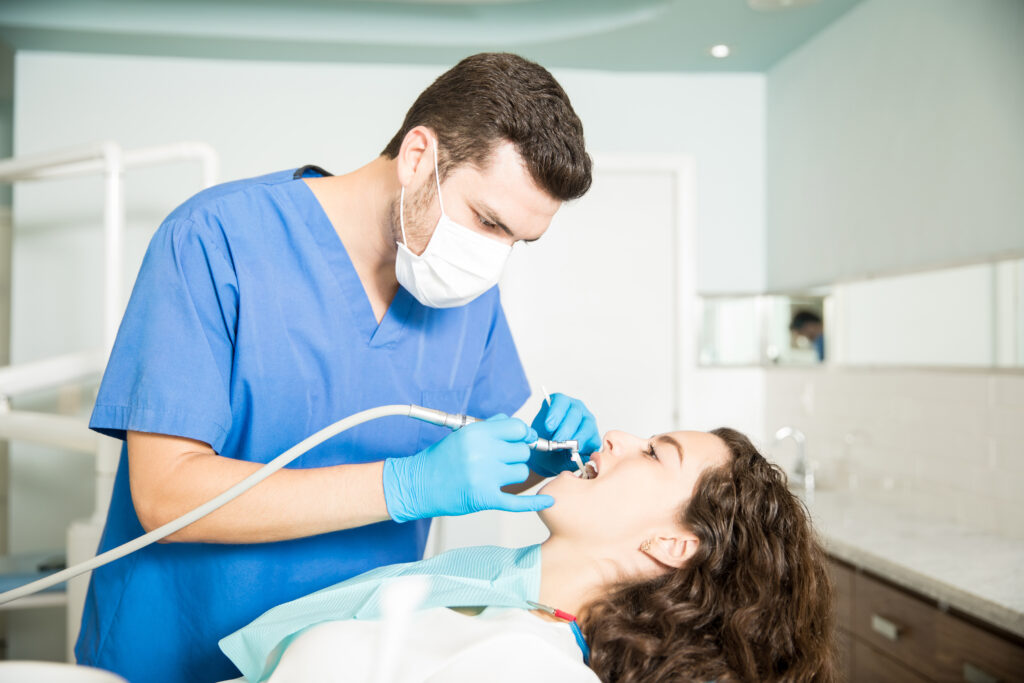
 Deep teeth cleaning, also called scaling and root planing, is a nonsurgical treatment for gum disease. It cleans plaque and tartar from below the gumline and smooths the tooth roots. A dentist may recommend it when an exam shows gum pockets that a routine cleaning cannot adequately treat.
This guide explains how deep teeth cleaning works, what recovery and cost look like, and how to choose a dentist in Fairhaven.
Quick Answer
A deep teeth cleaning, usually called scaling and root planing, is a nonsurgical treatment used to manage gum disease. Unlike a routine cleaning, it removes plaque and tartar from below the gumline and smooths exposed tooth-root surfaces. A dentist may recommend it when gum pockets are too deep for routine cleaning to adequately treat the area.
What Is Deep Teeth Cleaning?
Deep teeth cleaning generally refers to scaling and root planing (SRP). It is also known as a deep dental cleaning or periodontal cleaning. It is a treatment for gum disease, not a stronger version of a regular cleaning.
Scaling removes plaque and hardened tartar from the teeth. When periodontal pockets are present, this cleaning extends below the gumline, where a routine cleaning does not normally reach.
Root planing smooths the root surfaces of the teeth. This removes remaining deposits and leaves a cleaner surface.
The goal is to reduce bacterial deposits so the gum tissue has a better chance to heal. Your dentist decides whether this treatment fits your situation after an exam.
Why Would a Dentist Recommend a Deep Cleaning?
A dentist generally recommends deep cleaning at the dentist when an exam shows evidence of periodontal disease. Several findings may lead to further evaluation:
- Bleeding gums
- Swollen or tender gums
- Persistent bad breath
- Gum recession
- Deep periodontal pockets
- Tartar below the gumline
- Changes in the supporting bone seen on dental X-rays
Symptoms alone do not decide whether you need scaling and root planing. Your dentist looks at gum health, pocket measurements, tartar, attachment levels, and other findings before recommending treatment.
If you are noticing any of these signs, you can request an appointment for an evaluation.
Deep Cleaning vs. Regular Dental Cleaning
A routine dental cleaning in Fairhaven is designed to maintain oral health. Scaling and root planing addresses plaque and tartar tied to gum disease.
| Regular Dental Cleaning | Deep Teeth Cleaning |
|---|---|
| Primarily preventive care | Treatment for periodontal disease |
| Generally focuses on routine deposits | Removes deposits above and below the gumline |
| Usually part of ongoing preventive care | May be recommended when periodontal pockets are present |
| Typically less extensive | Can require local anesthetic |
| Often completed during one visit | May require multiple visits |
Heavy tartar does not automatically mean you need a deep cleaning. The right treatment depends on the clinical examination.
What Happens During a Deep Teeth Cleaning?
The process is usually broken into these steps:
- Dental examination. The dentist evaluates your teeth and gums. Pocket measurements and X-rays may be taken when appropriate.
- Treatment planning. The dentist decides whether scaling and root planing is appropriate and which areas need treatment.
- Local anesthetic. A local anesthetic may be used to improve comfort, particularly below the gumline.
- Scaling. Plaque and hardened tartar are carefully removed from above and below the gumline.
- Root planing. The root surfaces are smoothed to remove remaining deposits and create a cleaner surface.
- Follow-up. The dentist monitors how your gums heal and whether more periodontal care is needed.
If your exam shows other needs, you can explore the full range of dental services in Fairhaven.
How Long Does a Deep Teeth Cleaning Take?
There is no single appointment length that fits every patient. Some people finish treatment in one visit, while others need several.
Treatment time depends on:
- The number of teeth requiring treatment
- The depth of periodontal pockets
- The amount of tartar
- The level of gum inflammation
- The number of quadrants being treated
- Your comfort during treatment
- Whether treatment is divided into multiple appointments
Your dentist can give you a realistic timeline after your periodontal evaluation.
What Does Deep Teeth Cleaning Cost?
Deep teeth cleaning cost varies significantly. It depends on the extent of treatment and whether one or several areas of the mouth need scaling and root planing.
Common cost factors include:
- Number of quadrants treated
- Severity of gum disease
- Dental office location
- Additional diagnostic procedures
- Local anesthetic
- Dental insurance
- Need for follow-up periodontal care
For a general reference, Delta Dental lists an average cost without dental benefits of $180 to $295 for scaling and root planing in one quadrant. Actual fees vary by location and individual treatment needs.
No single statewide figure applies to every Massachusetts patient. The best approach is to request an individualized estimate after your examination. You can contact our office with questions about fees.
Does Dental Insurance Cover Deep Teeth Cleaning?
Coverage depends on your specific dental plan. Some plans cover periodontal scaling and root planing, but the details can differ.
Factors that may affect coverage include:
- Deductible
- Annual maximum
- Waiting periods
- Frequency limitations
- Percentage covered
- In-network status
- Medical necessity requirements
Check your benefits before treatment and ask the dental office to help verify the insurance information available to them. Do not assume a plan covers 100% unless your individual plan confirms it.
If you carry a plan from a major carrier, our pages on Aetna, MetLife, Ameritas, Delta Dental, Blue Cross Blue Shield, and Cigna are a helpful place to start. Plan details change, so confirm your own benefits with the office and your insurer.
What About MassHealth Coverage for Deep Cleaning?
Current MassHealth information states that deep cleaning is covered for eligible children and adults. Prior authorization is required for adults, and covered dental services must be medically necessary.
MassHealth rules can change, so verify your current eligibility, benefits, and authorization requirements before treatment. You can also review the insurance plans accepted at Smiley Dental Fairhaven and ask the office what it can verify for you.
What Is Recovery Like After a Deep Cleaning?
Many patients notice temporary effects after scaling and root planing. These may include:
- Gum tenderness
- Mild swelling
- Bleeding
- Tooth sensitivity
- Soreness
Recovery varies with the extent of treatment. Someone who had one area treated may feel differently from someone who had several.
Follow your dentist’s specific aftercare instructions, keep up appropriate oral hygiene, and attend recommended follow-up appointments. If symptoms seem stronger than expected or do not improve, contact the office.
Will My Gums Go Back to Normal After a Deep Cleaning?
Successful periodontal treatment can reduce inflammation and improve gum health. The result depends on how severe the gum disease is and how your gums respond.
As inflammation improves, gums may become less swollen and less likely to bleed. However, existing gum recession or loss of supporting bone may not simply reverse after cleaning.
Long-term results depend on daily and ongoing care:
- Brushing twice daily
- Cleaning between teeth
- Keeping regular dental visits
- Attending periodontal maintenance when recommended
- Avoiding tobacco
What Not to Do Before a Deep Teeth Cleaning
Preparing is simple. Patients generally should:
- Tell the dentist about medications and relevant health information.
- Eat normally unless the office gives different instructions.
- Brush and clean between teeth as usual.
- Avoid trying to scrape tartar off at home.
- Mention significant dental anxiety or sensitivity to the dental team.
- Follow any specific instructions from the dentist.
Fasting is not part of standard preparation. It is only needed if your dentist specifically instructs it for a procedure involving sedation.
How to Choose a Dentist for Deep Teeth Cleaning in Fairhaven
Patients searching for deep teeth cleaning near Fairhaven should compare the dentist’s approach to diagnosis, treatment planning, communication, and follow-up rather than choosing based only on price.
Look for a dental office that:
- Performs a proper periodontal evaluation
- Explains why deep cleaning is recommended
- Discusses the affected areas and treatment plan
- Explains expected costs and insurance considerations
- Provides clear aftercare instructions
- Offers appropriate follow-up care
- Makes treatment understandable and comfortable
For more guidance, read our tips on how to find the best dentist near you in Fairhaven.
Frequently Asked Questions
What is a deep teeth cleaning at the dentist?
It is scaling and root planing, a nonsurgical treatment for gum disease. The dentist removes plaque and tartar from above and below the gumline and smooths the root surfaces. It is recommended based on an exam, not on appearance alone.
How much does it cost to remove black tartar from teeth?
Cost depends on how much tartar is present and where it is. Some deposits are removed during a routine cleaning, while others may call for treatment below the gumline. Dark tartar does not always mean deep cleaning is needed. Ask for an estimate after an exam.
How much does a dental cleaning typically cost in Massachusetts?
Fees vary by office, location, and the type of cleaning. A routine cleaning and a deep cleaning are priced differently. Because no single Massachusetts price applies to everyone, request an individualized estimate from the dental office.
Does Smiley Dental accept my insurance?
Plans and participation can change, so it is best to confirm before treatment. See the insurance plans accepted at Smiley Dental Fairhaven, or contact the office to verify your specific benefits.
Do any dental plans cover 100%?
Some plans may cover certain preventive services at a high percentage. Coverage for scaling and root planing usually involves deductibles, maximums, or cost sharing. Do not assume full coverage unless your plan documents or the office’s verification confirm it.
Is Smiley Dental legit?
When choosing any dental office, check that dentists hold current licenses, read recent patient reviews, and ask how the office explains diagnoses and costs. A consultation is a good way to see whether the team communicates clearly and makes you comfortable.
Is it better to have dental insurance or a dental plan?
It depends on your needs. Insurance typically involves premiums, deductibles, and annual maximums. Dental savings plans usually offer discounted fees for a membership cost. Compare how each handles the care you expect to need, and review the terms carefully.
Why is my root canal $3,000?
Root canal cost depends on the tooth involved, the complexity of the case, whether a specialist is needed, and whether a crown is required afterward. Insurance may also affect what you pay. Ask for an itemized estimate that shows each part of treatment.
Why are dentists no longer accepting insurance?
Some offices limit the plans they accept because of reimbursement rates, administrative workload, or plan restrictions. Participation varies by office and can change. Confirm with the office and your plan before scheduling.
What not to do before a deep teeth cleaning?
Do not try to scrape tartar off at home, and do not skip your usual brushing and cleaning between teeth. Share your medications and health history with the dentist. Eat normally unless you are told otherwise, and follow any office instructions.
Schedule a Dental Evaluation
If you have bleeding gums, heavy tartar, gum sensitivity, or have been told you may need a deep cleaning, a dental evaluation can help determine the appropriate treatment. Request an appointment or contact Smiley Dental Fairhaven to discuss your dental cleaning needs, treatment options, and insurance questions.