Quick Answer
The first step in learning how to stop a cavity from growing is figuring out how advanced the decay is. Very early enamel changes may sometimes be managed with fluoride, better oral hygiene, reduced sugar exposure, and professional monitoring. Once a true cavity has formed and tooth structure is damaged, professional treatment is usually necessary. Don’t ignore sensitivity, pain, visible holes, or dark spots, since some cavities cause little to no symptoms, which is why regular dental exams matter.
What Is a Cavity and How Does It Develop?
A cavity is an area of tooth structure damaged by decay. It starts with plaque, a sticky bacterial film that produces acid when you eat sugars or carbs. That acid pulls minerals out of enamel (demineralization), while saliva and fluoride help redeposit minerals back in (remineralization). When acid attacks outpace recovery, mineral loss wins.
Cavities usually don’t form from one sugary snack or a missed brushing. It’s repeated exposure to plaque and acid that raises the risk, and untreated decay can progress from the outer enamel into deeper layers of the tooth.
How to Stop a Cavity From Growing
The right approach depends on the stage of decay: early enamel changes with no surface break, a small established cavity, a larger area of decay, or deep decay reaching the tooth’s inner portions. Home care matters for prevention and can sometimes help with very early enamel changes, but it cannot remove an established cavity or rebuild lost tooth structure.
Schedule a Dental Examination
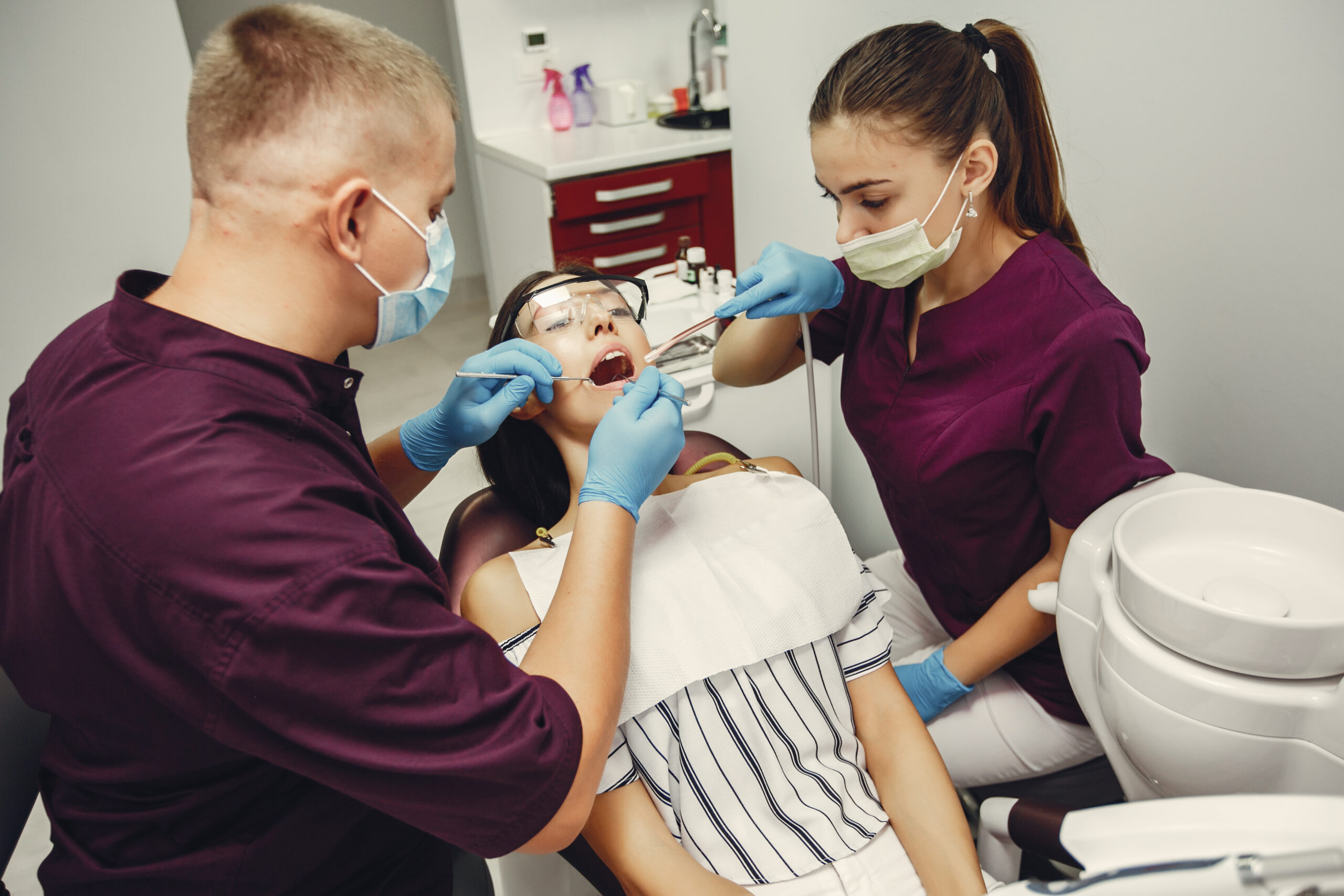
An exam is the only reliable way to know whether a suspected problem is early mineral loss, an established cavity, or something else. Your dentist may also recommend X-rays, which can reveal decay you can’t see or feel. Symptoms alone aren’t enough for a diagnosis.
Brush With Fluoride Toothpaste
Brushing twice daily with fluoride toothpaste helps strengthen enamel and makes it more resistant to acid. Brushing harder isn’t the goal; consistent, gentle brushing with the right toothpaste is.
Clean Between Your Teeth
A toothbrush misses the spaces between teeth, where decay frequently develops. Flossing or another interdental method removes plaque and debris a brush alone can’t reach.
Reduce Frequent Sugar Exposure
It’s not just how much sugar you eat, but how often. Frequent snacking or sipping sugary drinks throughout the day keeps teeth under near-constant acid exposure. Choosing water regularly, and saving sweets for mealtimes, can meaningfully cut that exposure.
Follow the Recommended Treatment Plan
Once a cavity forms, brushing, fluoride, and home remedies can’t remove the damaged structure. An established cavity generally needs professional assessment and possibly restorative treatment, so following your dentist’s plan matters.
Can an Early Cavity Be Reversed?
It depends on the stage. Early demineralization, meaning mineral loss without a break in the surface, may sometimes be managed or slowed with fluoride, improved hygiene and plaque control, reduced sugar exposure, and professional monitoring. Once decay has caused permanent structural damage, meaning an actual hole or break, restorative treatment is typically needed. Not every early cavity can be reversed, and fluoride or brushing cannot repair a tooth once real structural damage has occurred.
What Happens If You Leave a Cavity Untreated?
Untreated decay tends to keep progressing, though the pace varies by person. Over time this can mean increasing sensitivity, a larger area of decay, toothache, pain while chewing, and more extensive treatment later. Earlier evaluation tends to lead to simpler solutions.
Signs a Cavity May Be Getting Worse
- Tooth sensitivity, especially to hot or cold
- Sensitivity to sweets
- Pain when biting or chewing
- A persistent toothache
- White, brown, or dark spots on a tooth
- A visible hole or rough, damaged surface
- Food that keeps getting trapped around the same tooth
Some cavities cause little or no pain, particularly early on. A dental exam, and X-rays when appropriate, can catch decay you can’t detect on your own.
Can Dental Sealants Help Prevent Future Cavities?
A cavity protection sealant is a thin coating applied to the chewing surfaces of back teeth, especially the pits and grooves that are naturally hard to clean and prone to plaque buildup. Combined with brushing, fluoride, interdental cleaning, and routine exams, dental sealants may help reduce decay risk on appropriate teeth.
It’s worth being clear about what sealants can and can’t do. They’re a preventive treatment, not a repair for an existing cavity. They aren’t appropriate for every tooth, and a professional evaluation comes first. They don’t replace brushing, flossing, fluoride, or regular exams, and they don’t guarantee a person will never develop a cavity. For more detail, see how dental sealants may help prevent cavities.
How Do Dental Sealants Work?
Placement is straightforward: the dentist examines the tooth to confirm it’s a good candidate, cleans and prepares the chewing surface, keeps the tooth dry, applies the sealant material to the grooves, hardens it, then checks the sealant and your bite. Sealants are generally considered for healthy teeth or teeth evaluated and determined appropriate, not as a way to cover up existing decay.
Can Adults Get Dental Sealants?
Dental sealants for adults are less commonly discussed than sealants for kids, but adults can be good candidates in the right circumstances. Deep pits and grooves, a history of cavities, the tooth’s current condition and location, existing restorations, and overall cavity risk all factor in. The right recommendation comes from an individual exam rather than a blanket rule. Families interested in earlier prevention can read more about dental sealants for kids in Fairhaven.
How to Help Prevent Cavities From Getting Worse
No single habit below eliminates cavity risk on its own, but together they meaningfully lower it:
- Brush twice daily with fluoride toothpaste
- Clean between your teeth every day
- Limit frequent sugary foods and drinks
- Avoid constantly sipping sugary beverages
- Drink water regularly
- Attend recommended dental exams and cleanings
- Ask whether dental sealants suit your cavity-prone back teeth
Early Enamel Changes vs. Established Tooth Decay
| Condition | What May Be Happening | Possible Approach |
| Early enamel changes | Mineral loss without significant structural damage | Preventive care, fluoride, improved hygiene, and monitoring |
| Small established cavity | Tooth structure has been damaged | Professional evaluation and restorative treatment |
| Larger cavity | More tooth structure affected | More extensive restorative treatment |
| Deep tooth decay | Decay reaching deeper portions of the tooth | Prompt professional evaluation and treatment |
Only a dental professional can determine the actual stage of decay through an exam and, when necessary, diagnostic imaging.
Signs You Should Schedule a Dental Visit
- Persistent tooth sensitivity
- Tooth pain, especially when chewing
- A visible hole or dark area
- A broken or rough tooth surface
- Food repeatedly trapped in the same spot
- Swelling or unusual changes around a tooth
Some cavities don’t cause obvious symptoms. Regular exams, supported by regular dental X-rays when appropriate, help catch problems early.
Practical Checklist
- Schedule a dental exam if you suspect decay
- Brush twice daily with fluoride toothpaste
- Clean between your teeth every day
- Reduce frequent sugary foods and drinks
- Drink water regularly
- Follow recommended fluoride guidance
- Keep regular dental appointments
- Follow your dentist’s treatment recommendations
- Ask whether dental sealants fit your cavity-prone teeth
Why Early Dental Care Matters
Addressing suspected decay early gives your dentist more options: an exam helps determine whether preventive management is enough or restorative treatment is needed, while delaying it can let decay progress and require more extensive care. Preventive dentistry, hygiene, fluoride, exams, and sealants work together rather than as separate strategies.
Why Choose Smiley Dental Fairhaven for Preventive Dental Care?
Smiley Dental Fairhaven focuses on comprehensive evaluations, personalized recommendations, and patient education for children and adults, with preventive options like sealants considered individually as part of long-term oral health planning.
FAQs
Can you stop a cavity from getting worse at home?
Fluoride toothpaste, cleaning between teeth, and limiting frequent sugar exposure support prevention and can help with very early enamel changes. Once a cavity forms, home care can’t repair it, so a professional evaluation is needed.
Can an early cavity be reversed?
Early demineralization, mineral loss without a break in the tooth, may sometimes be managed or slowed with the right care. Once decay causes structural damage, that can’t be reversed with brushing or fluoride alone.
Do dental sealants prevent cavities?
Sealants can help reduce decay risk on appropriate surfaces, particularly back-tooth grooves. They don’t guarantee a person will never get a cavity, and they don’t replace daily hygiene or regular visits.
Can adults get dental sealants?
Yes, in the right circumstances, depending on the tooth’s condition, location, and the person’s cavity risk, which is assessed during an exam.
When does a cavity need professional treatment?
Once tooth structure has actually been damaged, rather than showing early mineral loss, an evaluation determines what restorative treatment, if any, is needed.
The Bottom Line
Stopping a cavity from growing starts with recognizing problems early, keeping up with daily hygiene, using fluoride appropriately, limiting frequent sugar exposure, and getting evaluated when something seems off. The stage of decay determines what actually helps, and that’s not something to guess at home.
Good daily habits, regular examinations, fluoride recommendations where appropriate, and preventive treatments such as sealants for suitable teeth all work together to reduce future risk. If you are concerned about a possible cavity or would like to know whether cavity protection sealants would help your family, contact Smiley Dental Fairhaven at 17 Berdon Way or call 508-967-1000 to arrange an examination.
| Concerned about a possible cavity? Smiley Dental Fairhaven, 17 Berdon Way. Call 508-967-1000 to schedule an examination. We will explain what stage your tooth is at and what your options are before recommending anything. |